
Helix Piercing
The helix piercing has become increasingly popular in recent years and is now one of the most popular piercings. Here you can find out exactly what a helix piercing is, what you should bear in mind when getting one, which jewellery you should choose and how to care for your piercing properly.
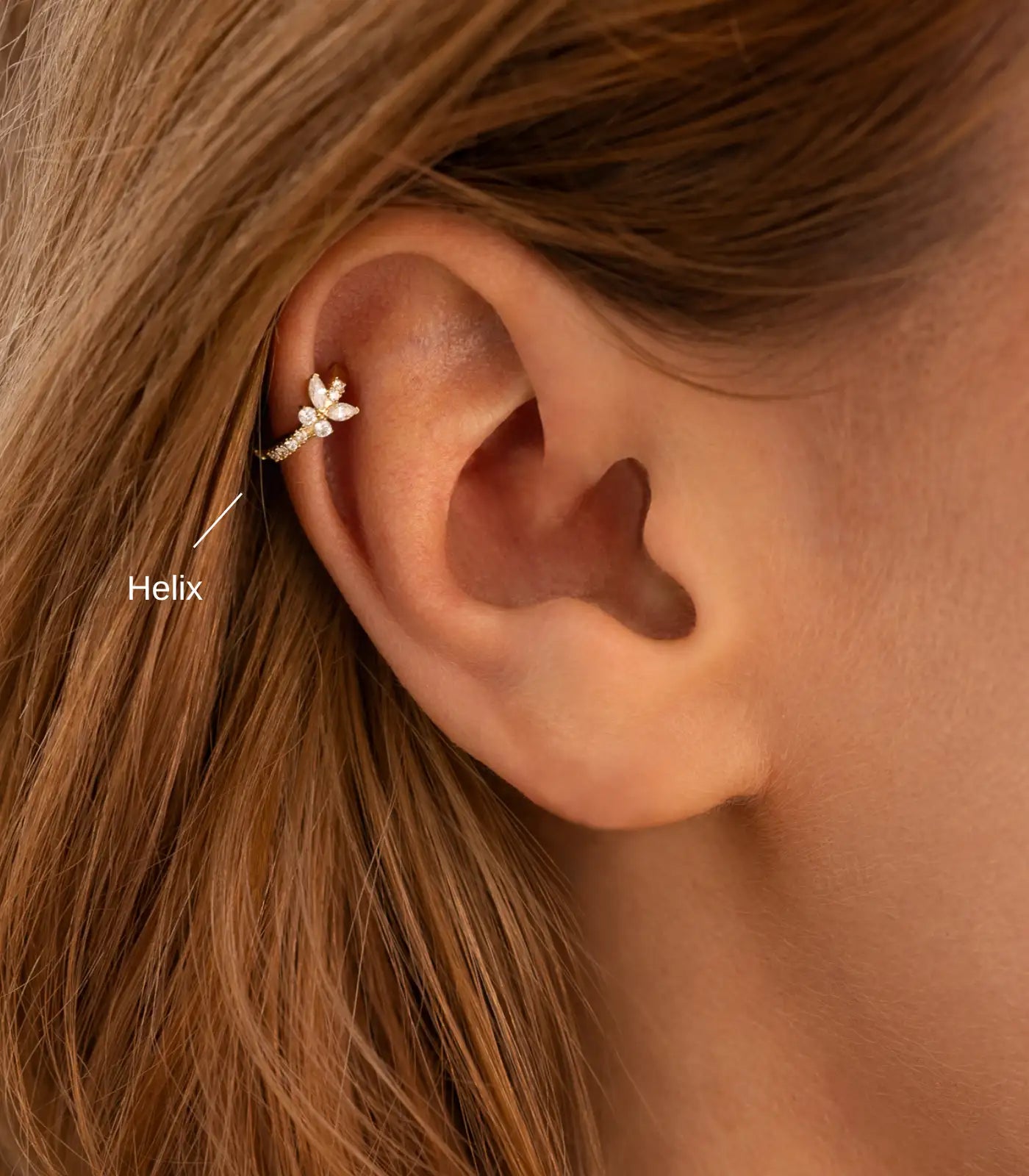
What is a Helix Piercing?
The helix piercing is made through the cartilage tissue at the upper, outer edge of the ear. The exact location of the helix piercing depends on the individual shape of the ear and visual preferences. It can be made higher up or lower down. Often, several helix piercings are made next to each other, known as a double helix.

Types of Helix Piercings
Almost everyone is familiar with the classic helix piercing, but few know that there are other variations. These include flat helix, hidden helix, anti-helix, mid helix, and regular helix. All helix piercings are located on the upper part of the ear, just in different areas.
- Flat Helix: lies further inside the ear canal
- Hidden helix: at the upper edge of the ear, 'hidden' under the fold
- Anti-Helix: is pierced opposite the normal helix.
- Mid Helix: lies further down, approximately in the middle of the outer edge
How painful is a Helix Piercing?
Because the helix piercing is pierced through the ear cartilage and not the earlobe, it is one of the more painful piercings. The pain rating is approximately 5/10, but can vary depending on individual pain sensitivity.

Lisa's experience with the Helix Piercing
Lisa, founder of Lisa Eleni, shares her personal experience with a helix piercing. She found the piercing itself to be quick and easy to tolerate. More important than the moment of the piercing was how she cared for it in the first few weeks afterward.
It was particularly important to avoid pressure on the ear and not to move the jewellery unnecessarily. With the right material and consistent aftercare, the healing process went smoothly, so the helix piercing could be easily integrated into everyday life.
The ideal Helix Piercing Jewellery
Helix jewellery comes in many different designs. Choose from simple segment rings, sparkling gold earrings with cubic zirconia stones or unique stud earrings with a chain. A helix piercing can be styled to suit your individual look.
Here you can find out what to consider when choosing jewellery, which size to select and which materials are best suited.
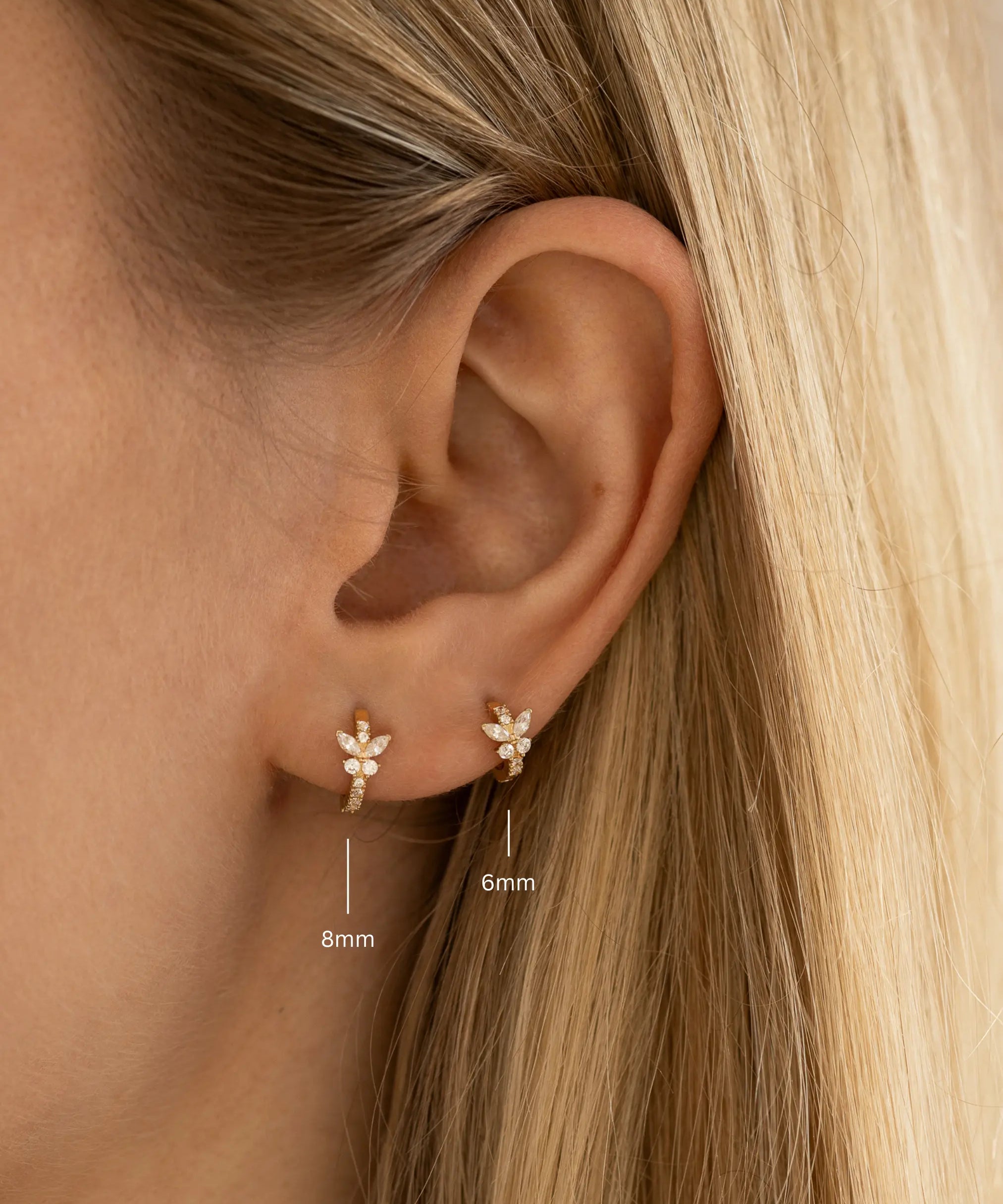
Suitable designs include the Caelia helix stud in 14k gold, the Marquise flat back stud, the gold clicker ring and the crystal huggie earring in 14k gold.
The right size
The ear cartilage has a different thickness in every ear, so it is important to choose the right diameter for rings and the right length for earrings.
Ear piercings are usually resized after healing, meaning a larger stud is used during piercing and then switched to a smaller one after healing. This is because the ear swells after piercing and becomes thicker due to the swelling.
For a helix piercing, the stud should be at least 8mm to 11mm long when pierced, depending on the thickness of the cartilage. After healing, the length is then reduced to 6mm to 8mm. The ring size for a healed helix piercing is usually 8mm to 10mm, depending on the thickness of the cartilage and personal taste.
The thickness of the needle used for cartilage piercings is always 1.2mm. Therefore, it's important that the material of the earrings is also 1.2mm thick, otherwise the hole will be smaller.
Materials
For a freshly pierced piercing, the material must be hypoallergenic and sterile, meaning it must be compatible with everyone without triggering allergies and must not transmit germs or bacteria. Hypoallergenic materials include titanium, gold, white gold, and stainless steel. In our experience, helix jewellery made of solid gold is the most durable and highest quality.
Silver should never be worn on freshly pierced or inflamed piercings, as it can cause blood poisoning in the worst case.
Recommended Jewellery for Helix Piercings


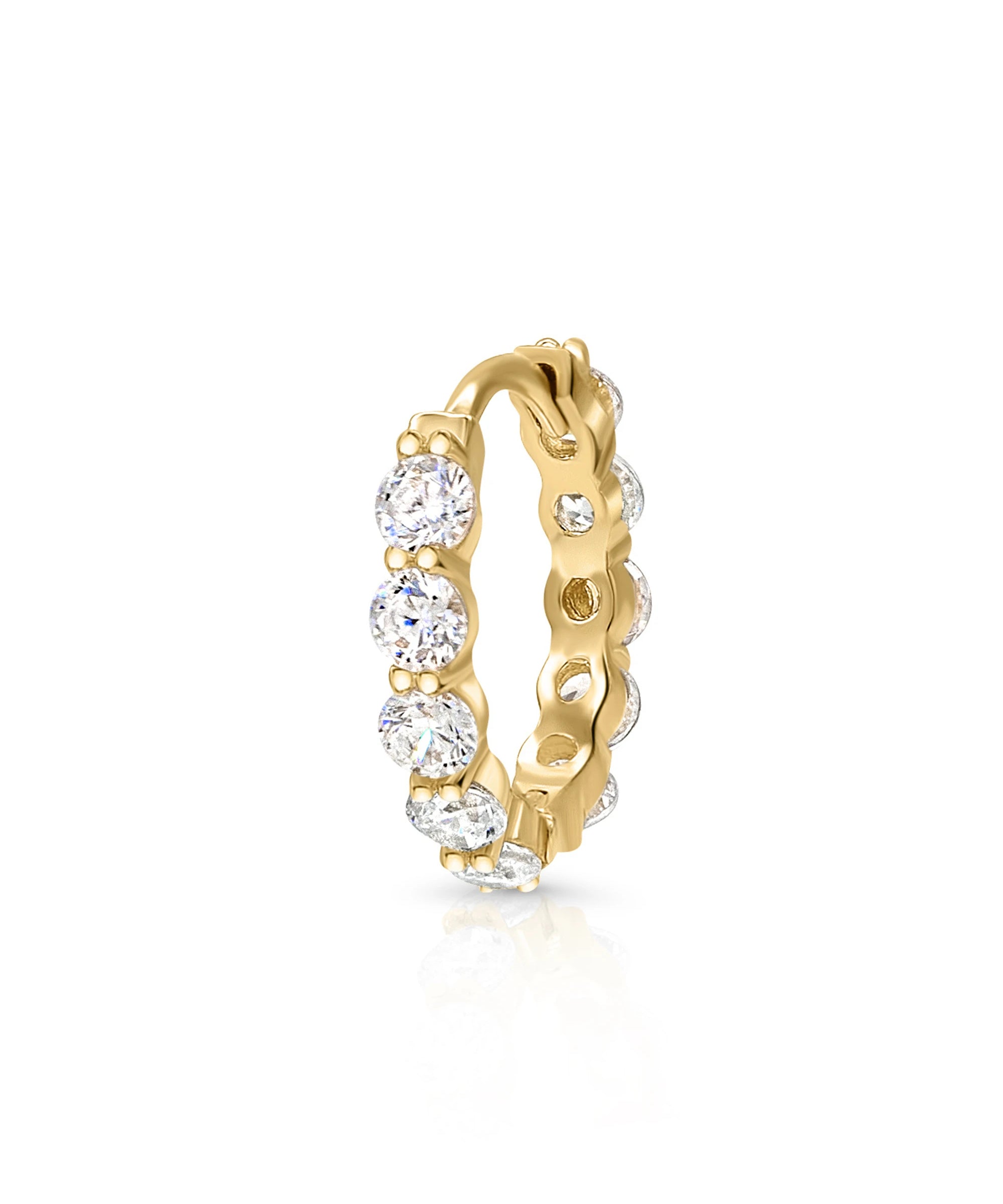
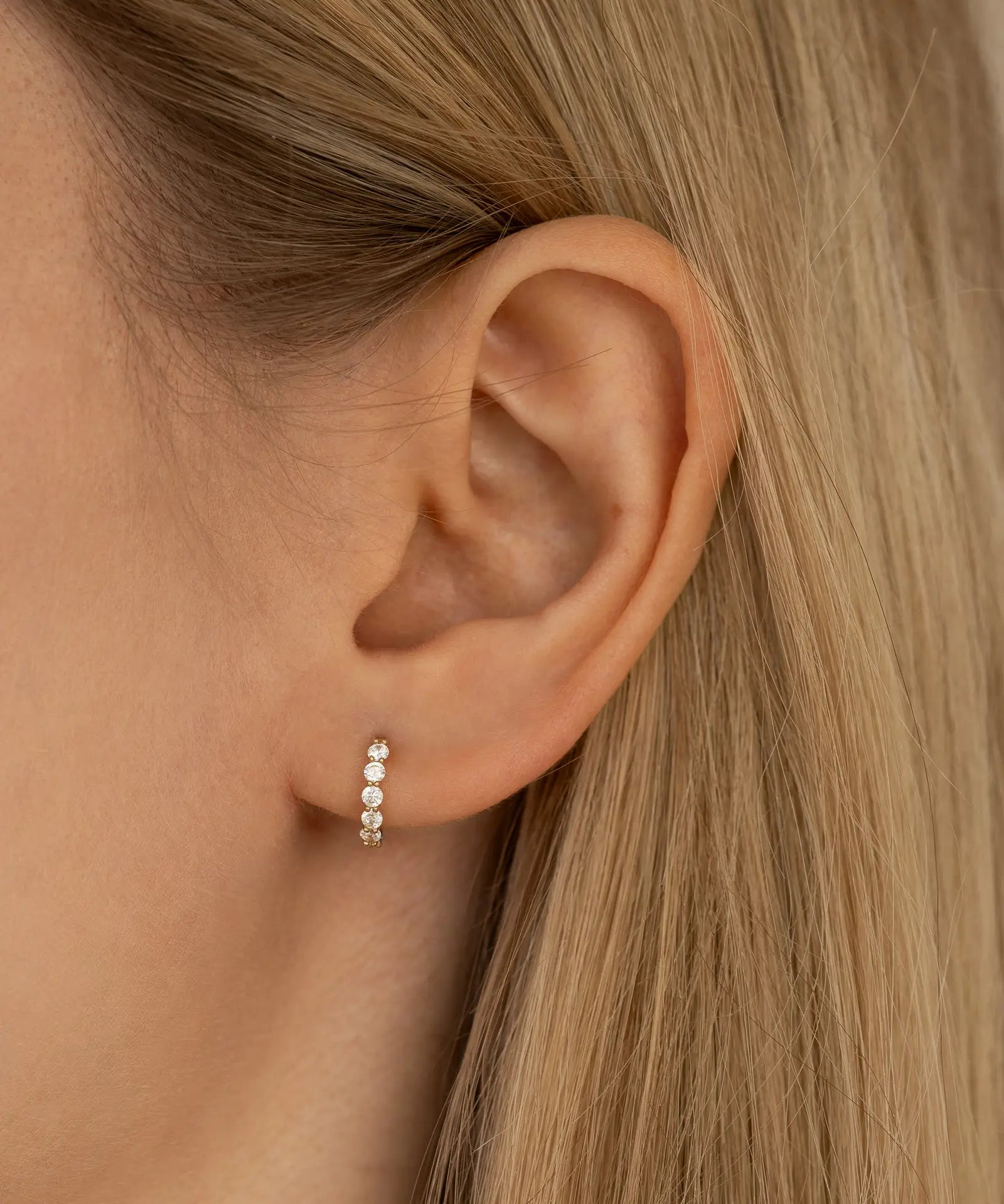


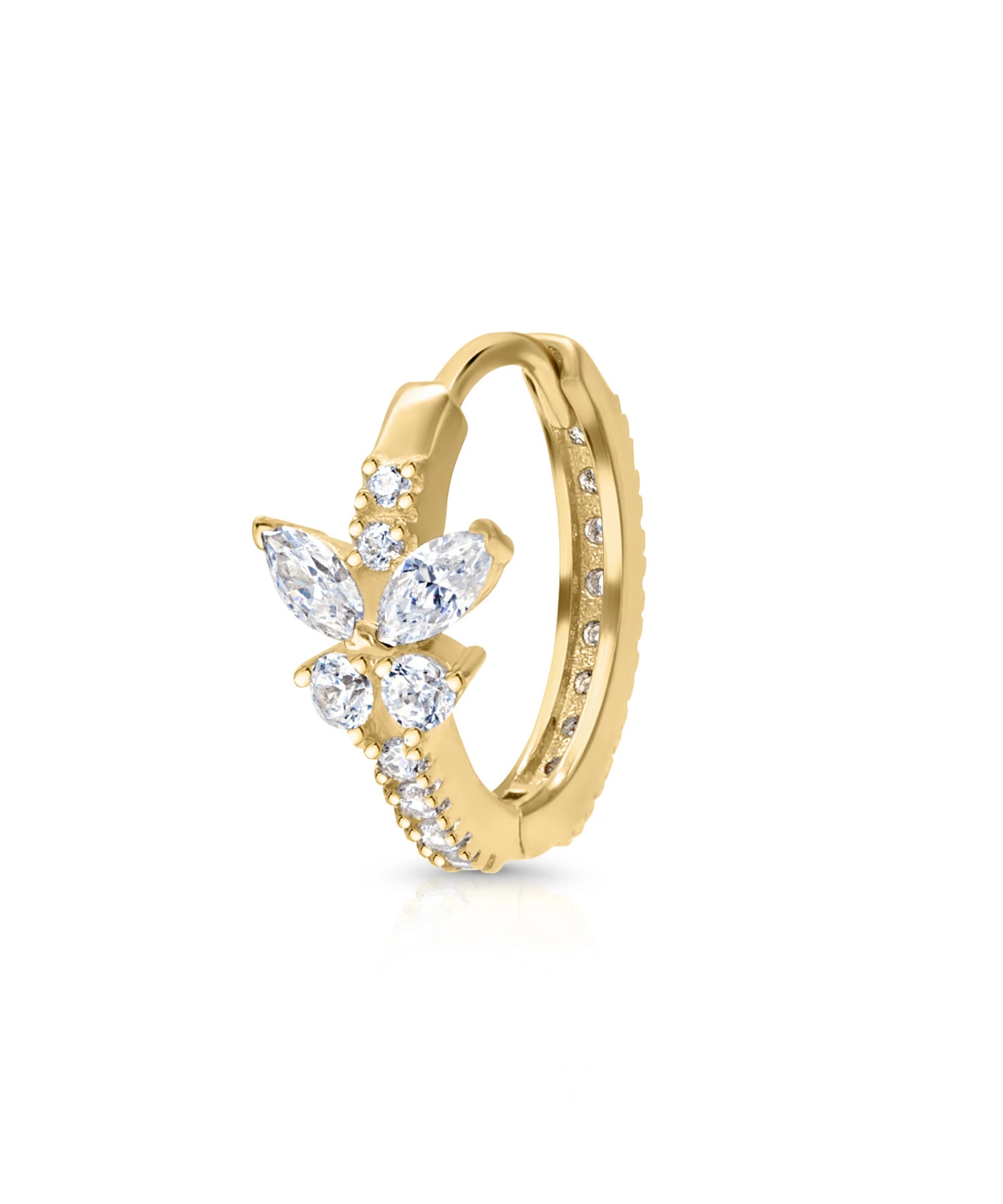
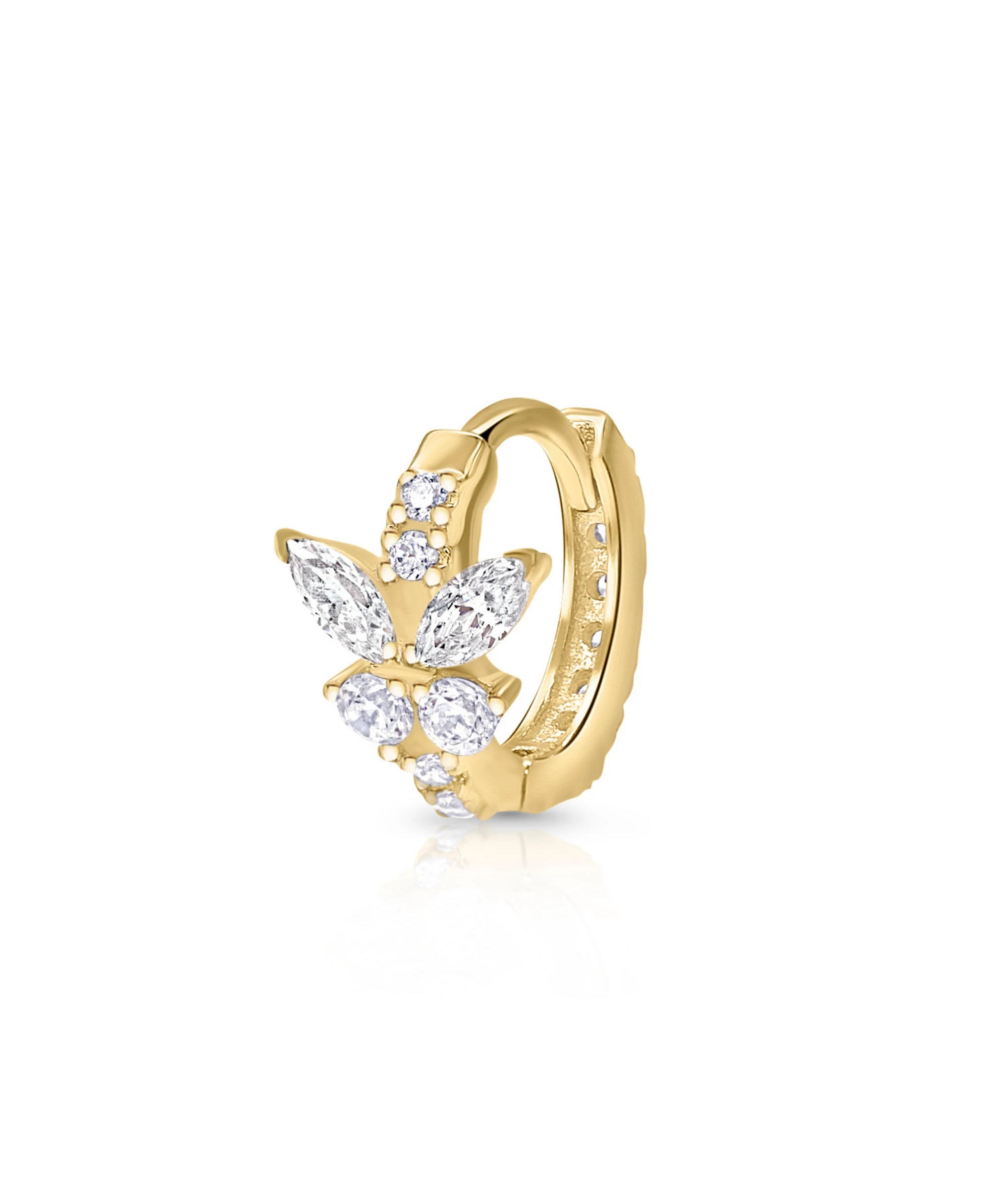


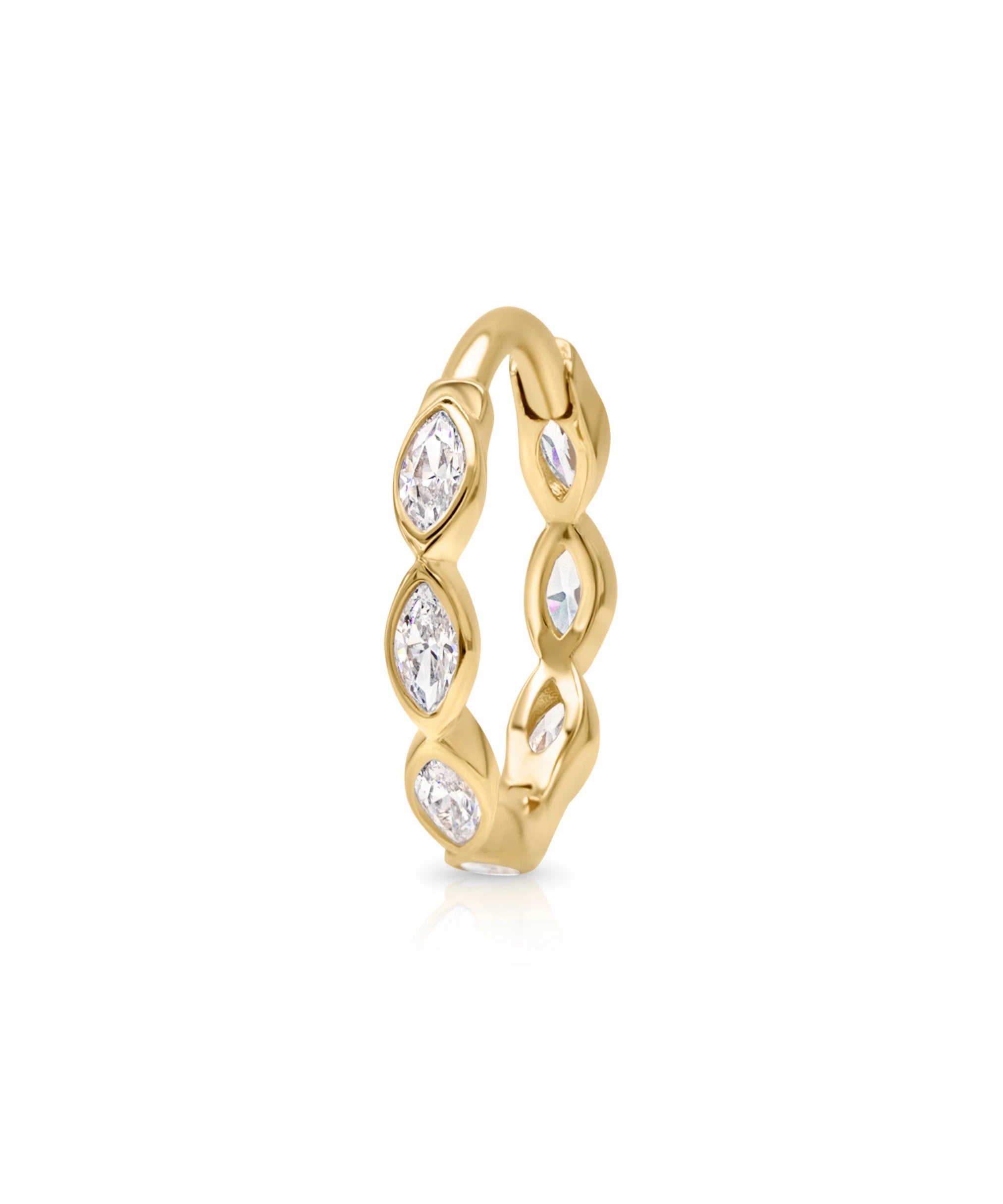


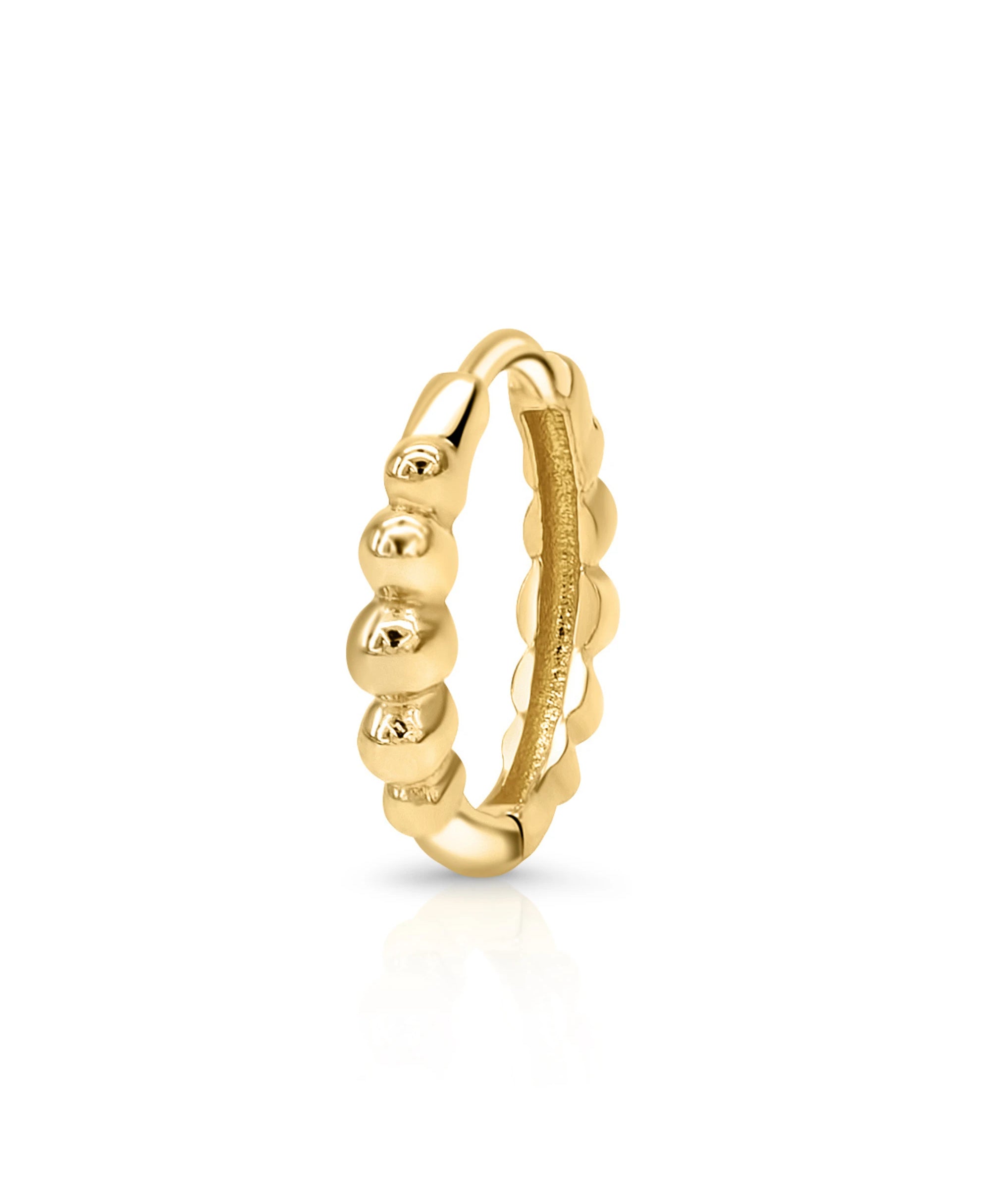
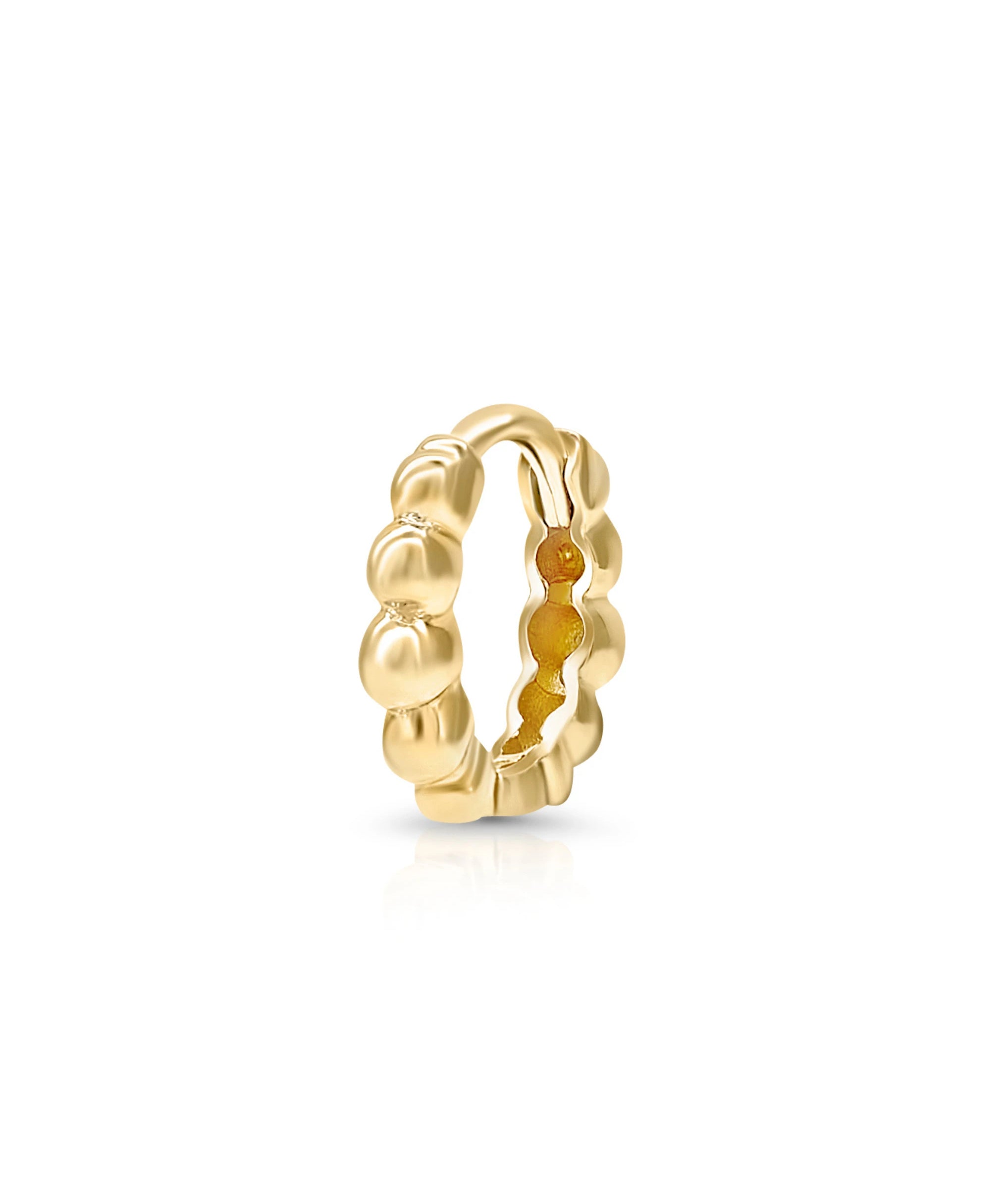
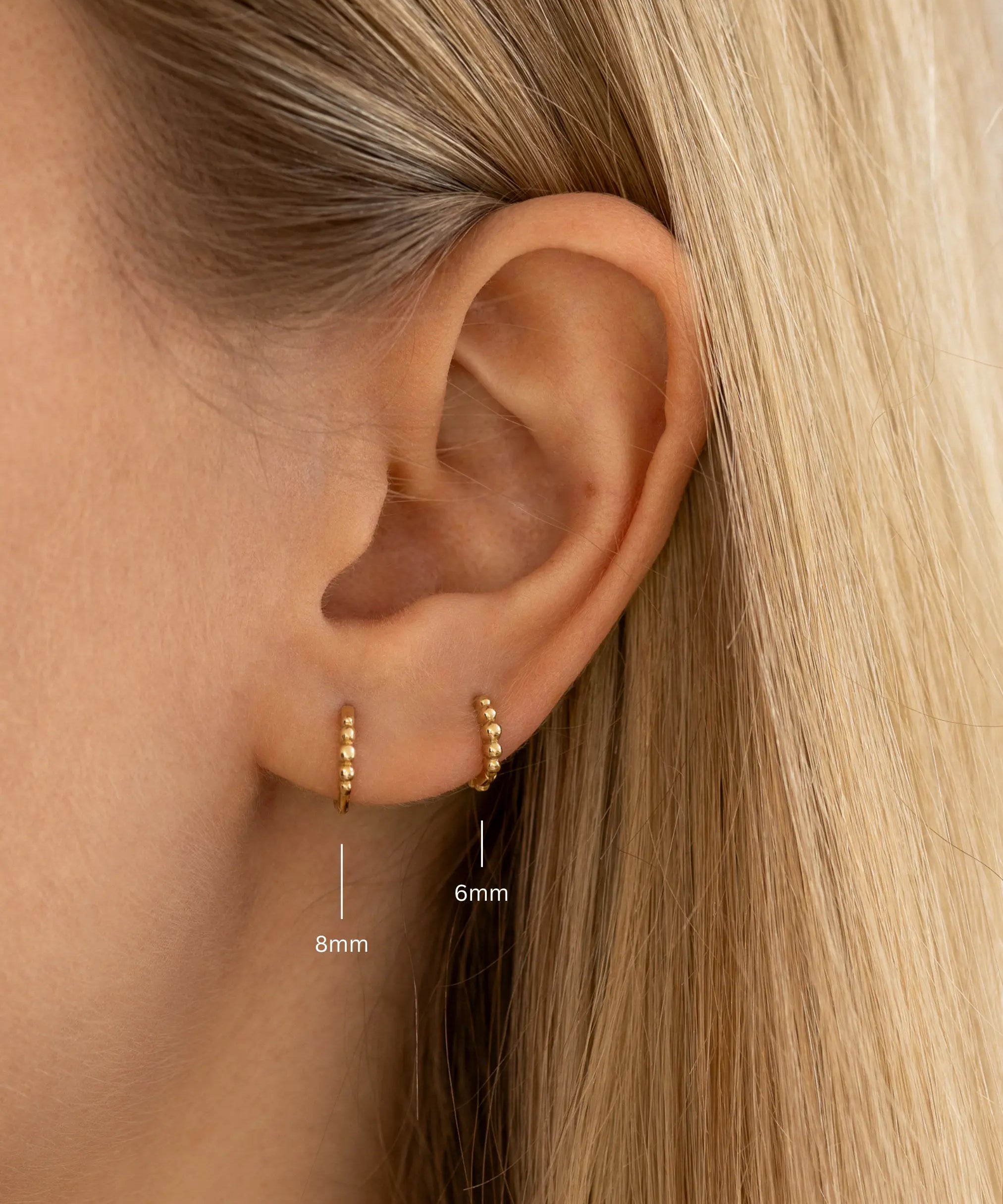


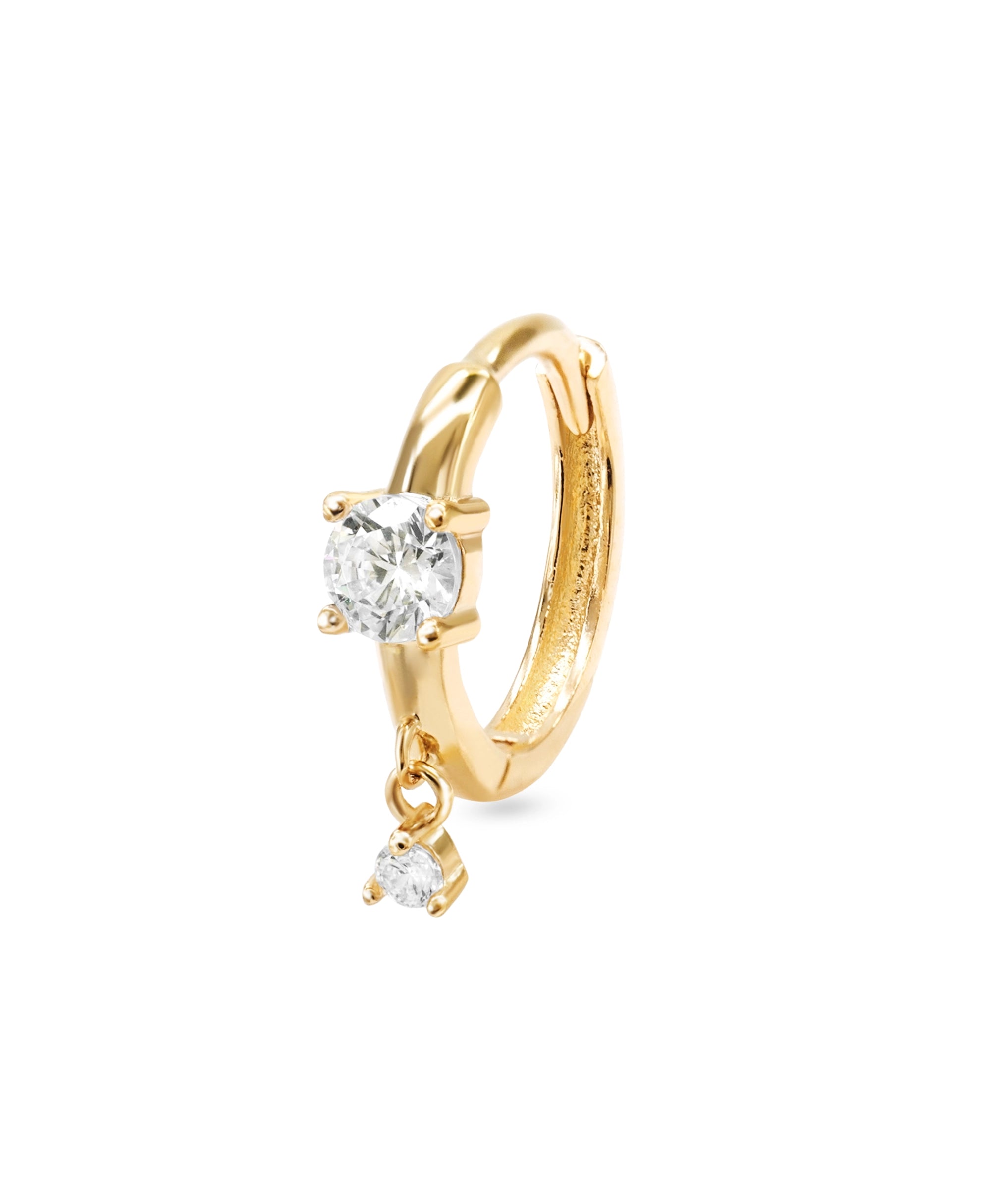
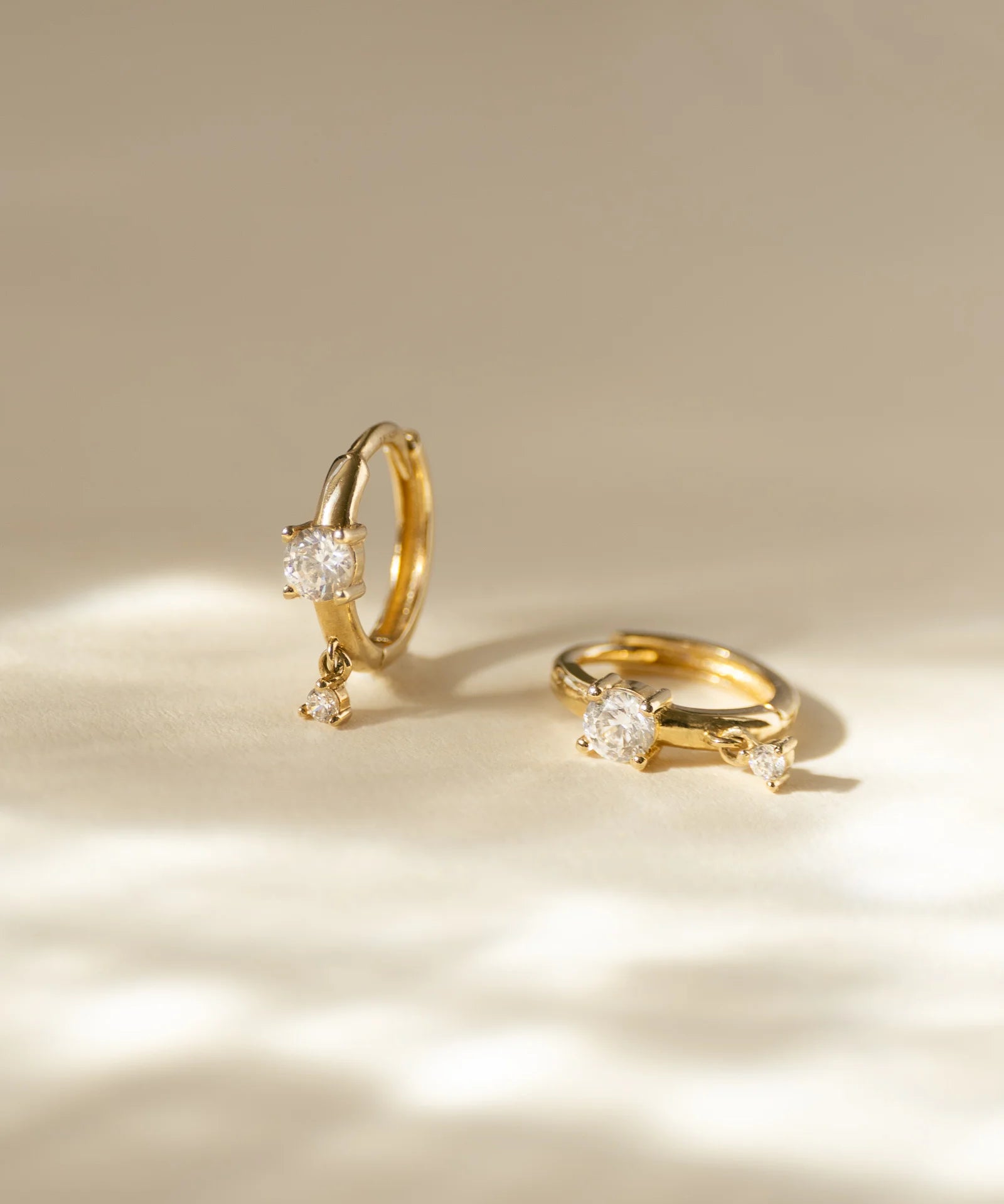

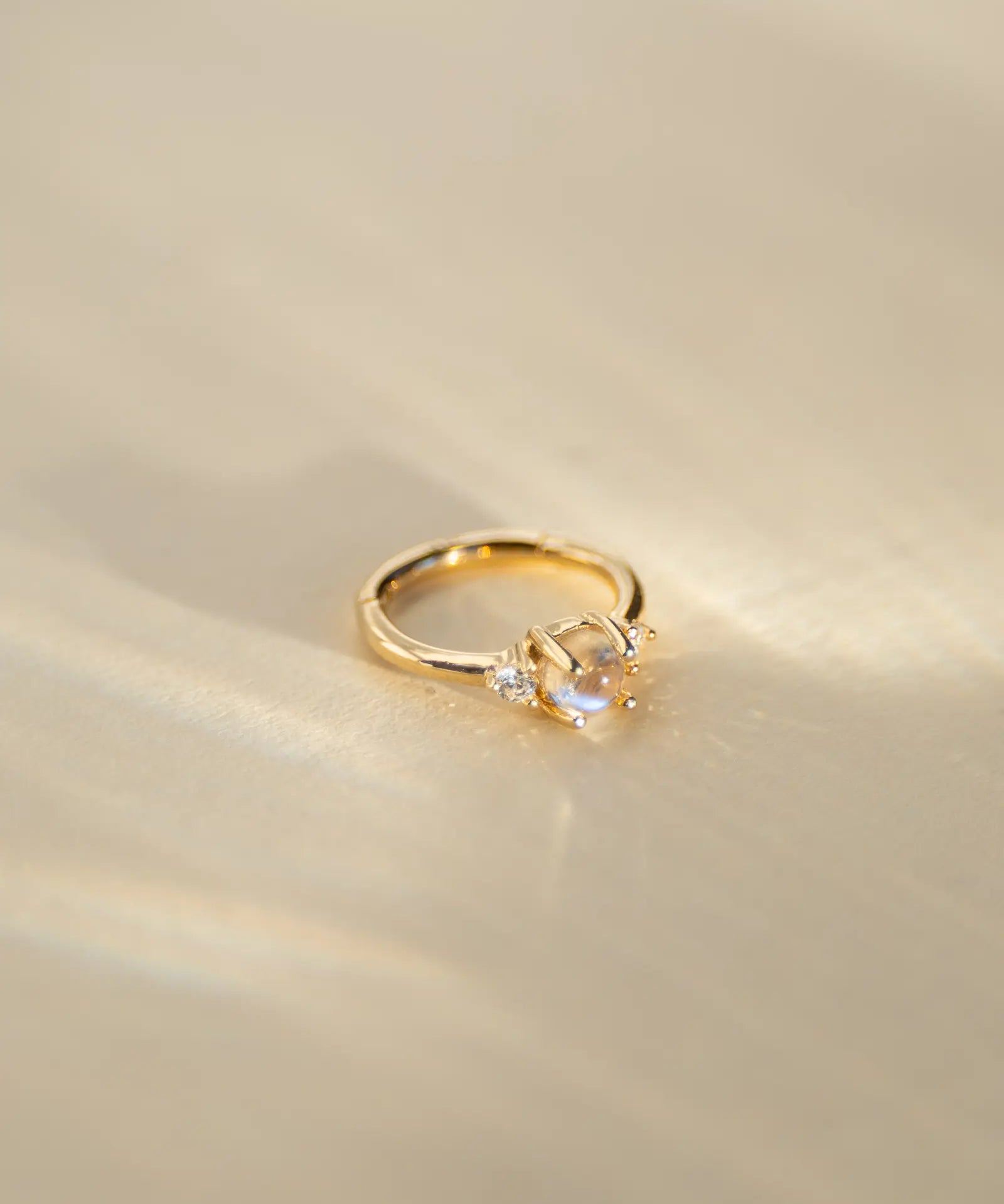


Regardless of the jewellery chosen, careful aftercare is crucial for the healing of a helix piercing.
How long does a Helix Piercing take to heal?
The healing time takes approximately 6 to 12 months. Proper piercing care is crucial. For quick healing, we recommend getting piercings during the cooler seasons, i.e. spring, autumn or winter, as the heat and sweat in summer can delay healing. In addition, contact with water should be avoided, which is also rather inconvenient in summer.
Under no circumstances should the helix piercing be changed before it has completely healed, as this can allow germs to enter the wound.
Some piercers also offer helix piercing with a ring. However, we do not recommend piercing with a ring, as this can prolong healing by up to 10 times. This is because the needle used for piercing is straight, and so is the piercing channel into which the piercing jewellery is inserted. Rings have a round shape, which is not well suited to the straight piercing channel.
Common mistakes with Helix Piercings
To avoid complications during healing, you should handle your helix piercing with care. Here's a reminder of the most common mistakes that can lead to inflammation, so nothing stands in the way of your helix healing:
- Lack of hygiene
- Changing jewellery too early
- Incorrect material
- Pressure from head coverings or sleeping on them
- Piercing with a ring
How long does it take for a Helix Piercing to heal?
The healing process for a helix piercing usually takes 6 to 12 months, but this can vary from person to person.
What should I not do with a Helix Piercing?
With a freshly pierced helix, saunas, chlorine, and friction on the ear should be avoided. This also includes lying on the piercing or irritation from headwear. Once the helix is completely healed, however, all of this should no longer be a problem.
How painful is it to get a Helix Piercing?
The pain level is approximately 5/10, but can be perceived differently depending on individual pain sensitivity.
How do you clean a Helix Piercing?
During the healing phase, the helix piercing must be disinfected several times a day with a special piercing spray. The jewellery can be cleaned with an ultrasonic cleaner or hot water.

