
Industrial Piercing
The industrial piercing is one of the most distinctive ear piercings and connects two piercing sites with one piece of jewellery. This guide explains what an industrial piercing is, what to consider before getting pierced, which jewellery is suitable and how to care for it correctly.

What is an industrial piercing?
An industrial piercing consists of two piercing channels in the upper ear cartilage that are connected by one piece of jewellery. Traditionally, a straight industrial bar is worn. Once the piercing has fully healed, combinations of two rings or studs connected by a chain may also be possible, depending on anatomy and placement.

What anatomy is required for an industrial piercing?
Not every ear is suitable for a classic industrial piercing. The shape of the upper ear cartilage, sufficient space between the two piercing sites and an alignment that allows the jewellery to sit without constant pressure are all important.
A professional piercing studio should assess the anatomy and mark the positions individually before piercing. If a straight bar is not anatomically suitable, an alternative connection using two separate pieces of jewellery and a chain may be considered after professional advice.
How painful is an industrial piercing?
Because two areas of ear cartilage are pierced, an industrial piercing is often perceived as more intense than a single ear piercing. Pain is highly individual and depends on factors such as anatomy, personal sensitivity and piercing technique.
Tenderness and mild swelling can occur after piercing. Increasing pain, severe redness or other unusual symptoms should be assessed promptly by a professional piercer or medical professional.
The right jewellery for an industrial piercing
A straight bar is generally used as initial jewellery to keep both piercing channels stable. The piercer should select the material, length and gauge to suit the anatomy and allow room for possible swelling.
Only after the piercing has fully healed and been professionally checked should you change to shorter jewellery or an alternative look. Two suitable rings or studs can, for example, be connected with a delicate chain, creating the characteristic industrial look without a straight bar between both positions.
Choosing the right size
For an industrial piercing, the distance, angle, gauge and bar length must match the individual ear. Gauges of 1.2 or 1.6mm are commonly used, but the required length cannot be determined without assessing the ear.
Initial jewellery generally allows additional room for possible swelling. Downsizing should only take place after a check by the piercer. Jewellery that is too short can cause pressure, while jewellery that is too long is more likely to catch on hair or clothing.
Suitable materials
A fresh industrial piercing should only be fitted with high-quality jewellery that is suitable for initial piercing. The piercer should determine which material is appropriate. Implant-grade titanium or suitable solid gold jewellery are commonly considered, depending on the individual case.
For a fully healed piercing, solid 14k gold is a durable, high-quality option. The yellow- and white-gold alloys used by Lisa Eleni are nickel-free, water-resistant and designed for sensitive ears. Plated fashion jewellery and silver should be avoided, especially during healing.
Recommended jewellery for industrial piercings
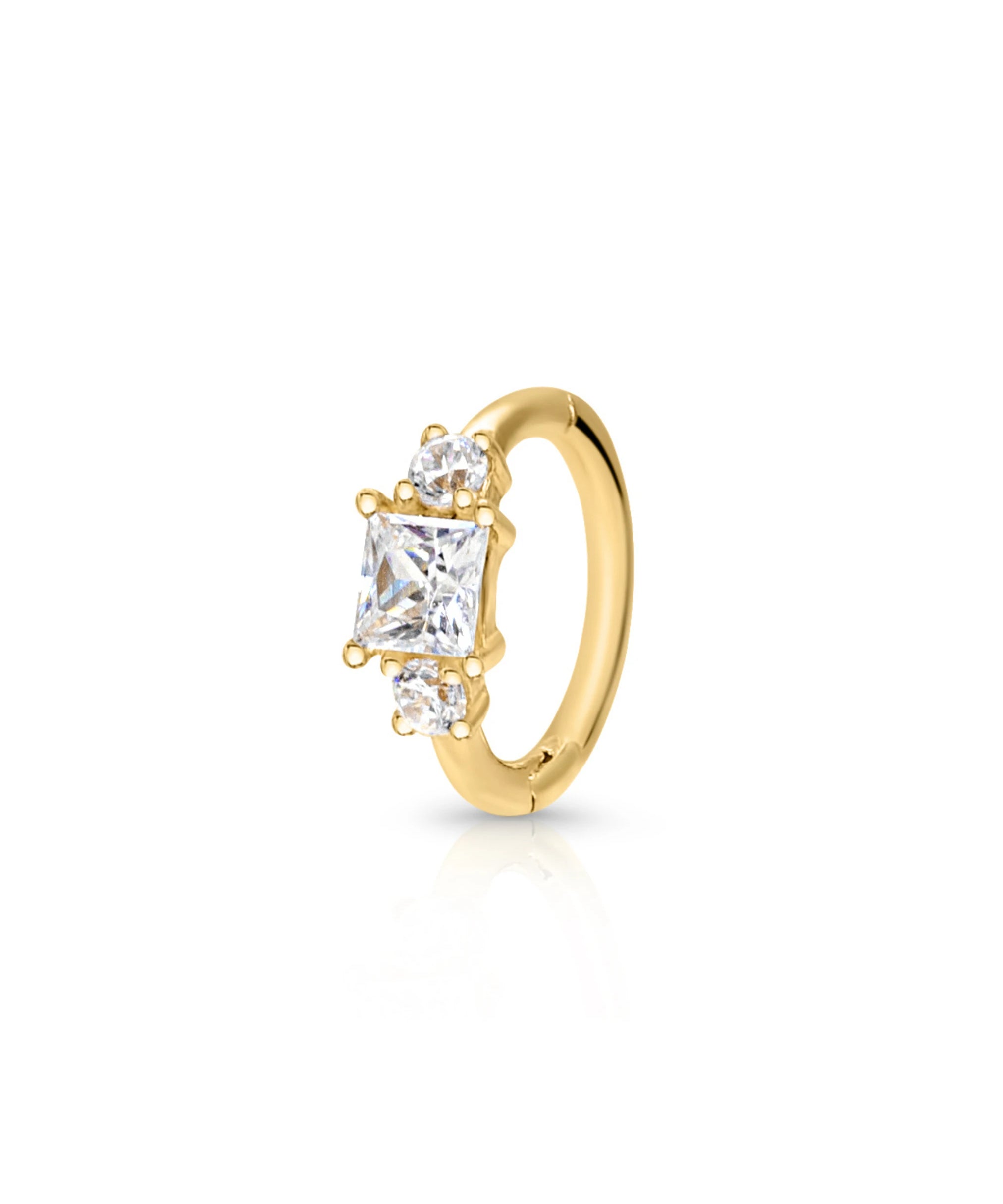
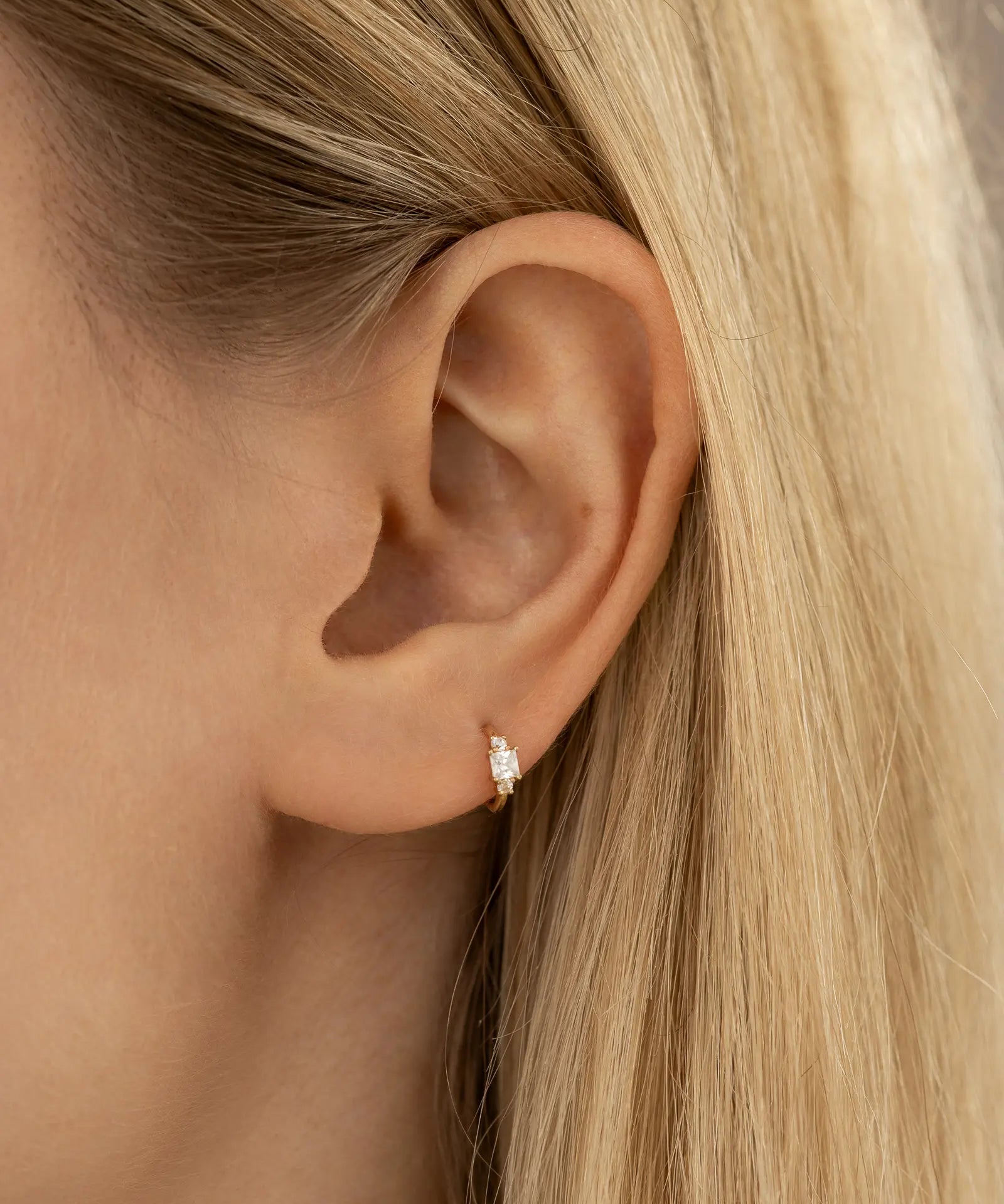
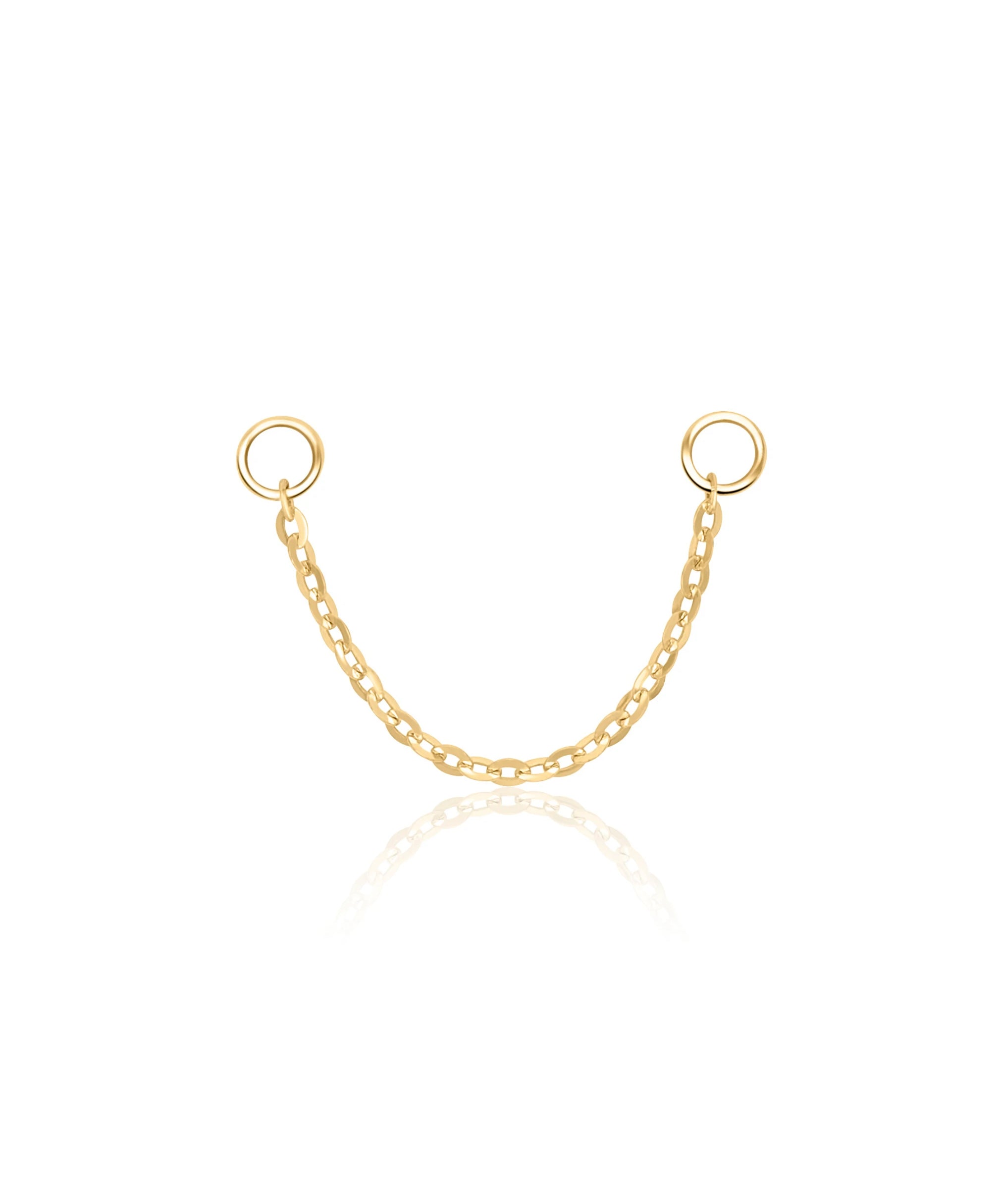


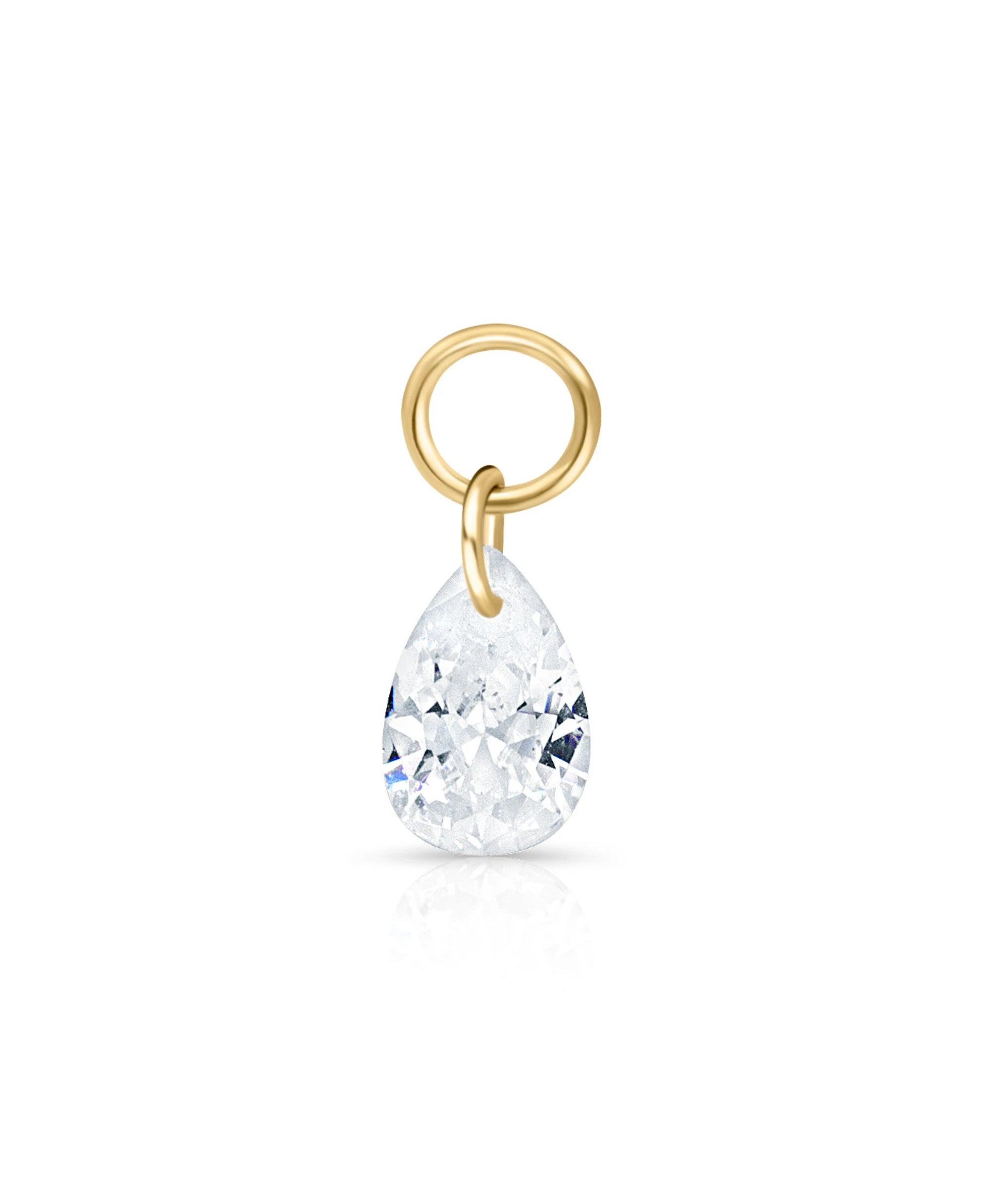

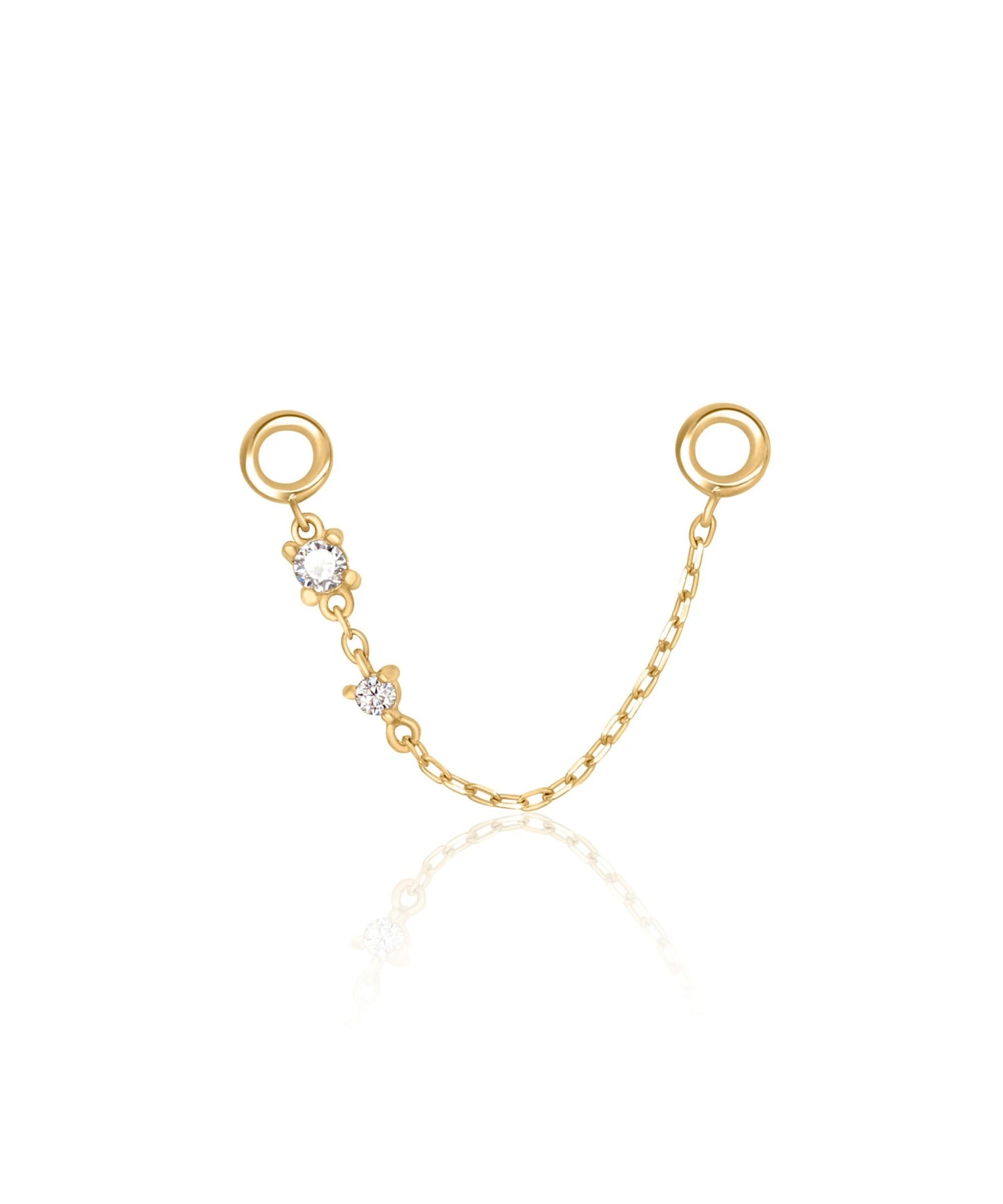
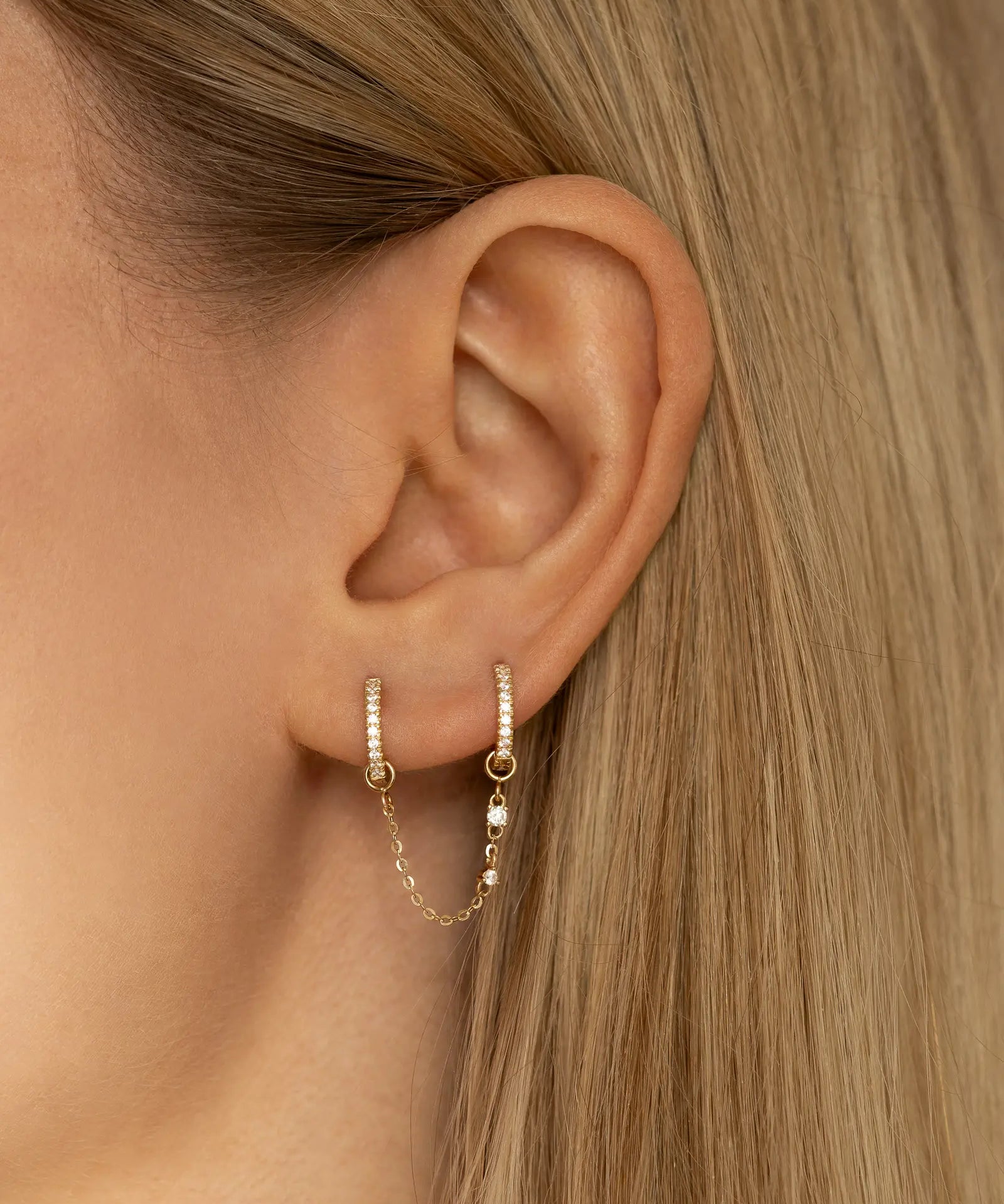

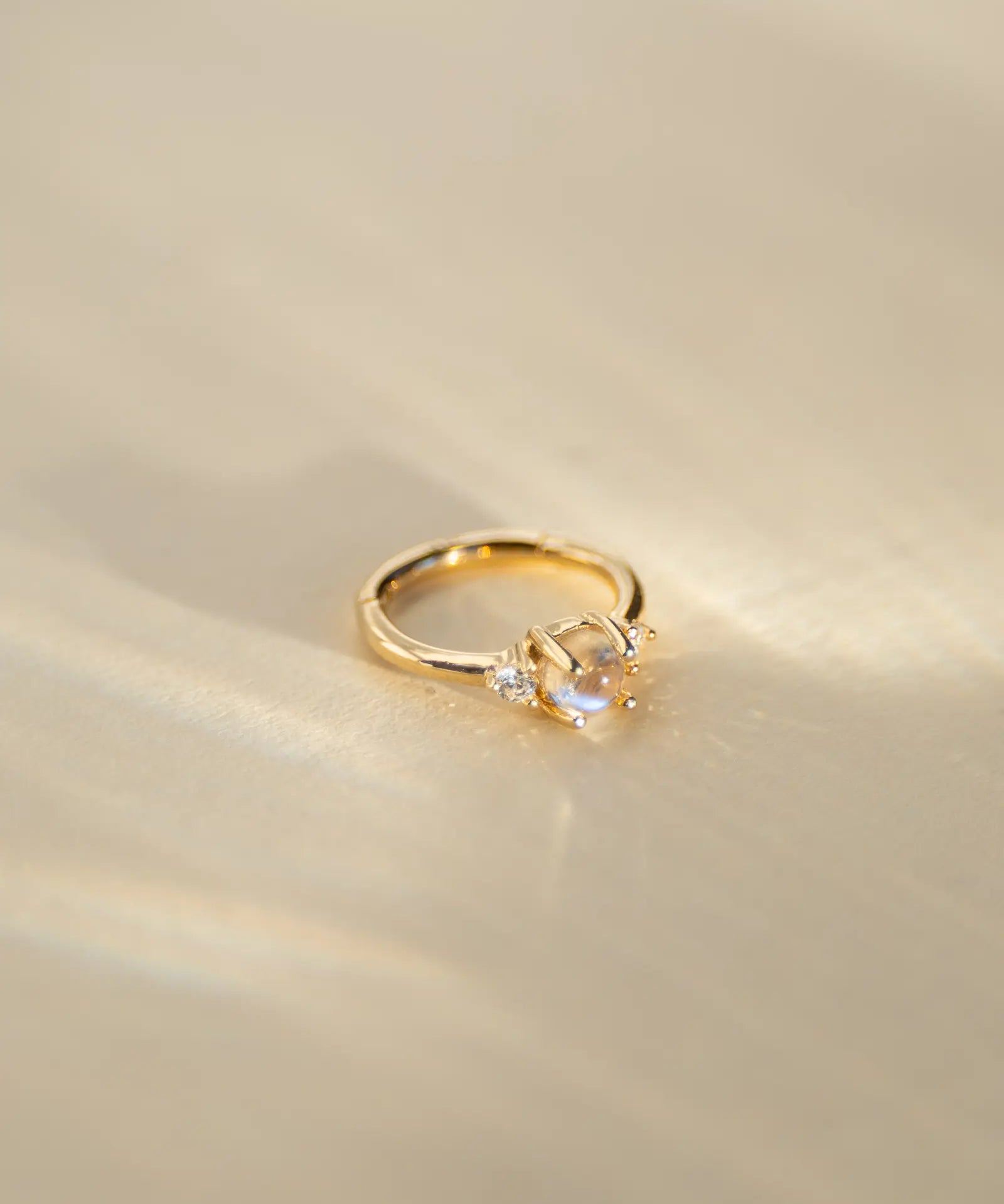


Regardless of the jewellery you choose, careful aftercare is essential while an industrial piercing heals.
How long does an industrial piercing take to heal?
Because two cartilage channels need to heal at the same time, an industrial piercing usually takes considerably longer to heal than a standard lobe piercing. Around 6 to 12 months is often used as a general guide; pressure, friction or unsuitable alignment can extend the healing period.
Do not change the jewellery too early by yourself. A piercer should always decide whether downsizing or changing jewellery is appropriate, even if the piercing already looks calm on the outside.
Aftercare during healing
Only touch the piercing with freshly washed hands and follow the aftercare advice provided by your piercing studio. Sterile saline solution is often recommended. Twisting, excessive movement and unnecessarily removing crusts can further irritate the piercing channels.
Avoid pressure from sleeping on the ear, tight headphones or helmets, and take care not to catch the jewellery on hair or clothing. Seek professional advice if symptoms persist or become worse.
How much does an industrial piercing cost?
Prices vary depending on the studio, region, initial jewellery and any required follow-up appointments. Before booking, ask whether jewellery, aftercare products and check-ups are included in the price.
Because placement and alignment are particularly important for an industrial piercing, the studio’s experience should carry more weight than the lowest price.
Common industrial piercing mistakes
Common sources of irritation include pressure while sleeping, tight headphones or helmets, catching the jewellery on hair or clothing, unnecessary twisting and changing the jewellery too early.
An unsuitable size, a persistently unfavourable angle or poor-quality material can also contribute to irritation. Have the fit and healing progress checked before changing the jewellery or attempting to treat problems yourself.
Frequently asked questions about industrial piercings
How long does an industrial piercing take to heal?
Around 6 to 12 months is often used as a general guide. The actual healing time depends on factors including anatomy, alignment, aftercare and mechanical pressure.
Can every ear accommodate an industrial piercing?
No. The shape of the upper ear cartilage and the alignment of both piercing sites must be suitable. A professional piercer should assess this before piercing.
When can the jewellery be changed?
Only when both piercing channels have fully healed and a piercer has confirmed that it is safe to change the jewellery. A calm appearance on the outside does not always mean that the tissue inside has completely healed.
Which jewellery is suitable for an industrial piercing?
A correctly sized straight bar is generally used as initial jewellery. Once fully healed, two separate pieces of jewellery may also be connected with a chain, depending on the anatomy.
Can you sleep on an industrial piercing?
Pressure on the ear should be avoided while the piercing is healing. Sleeping on the pierced side can irritate both piercing channels and prolong healing.

